Residential Garage Door Repair for Noisy and Unbalanced Doors
A garage door hardly ever falls short all at once. The majority of the moment, it begins with a sound that was not there last month, or a small tilt that makes the lower seal touch the floor on one side before the various other. Home owners get made use of to these adjustments since the door still opens, still shuts, and still seems to do its job. Then one cold morning it shudders halfway up, the opener strains, and the entire system reminds you that a garage door is not a straightforward panel on joints. It is a heavy, counterbalanced device relocating a number of times a day over your cars and truck, your stored personal belongings, and frequently the primary entry to your home.
Noisy and unbalanced doors are 2 of one of the most usual reasons individuals ask for property garage door repair. They are additionally closely relevant. A door that has stumbled places additional lots on rollers, tracks, hinges, cords, and the garage door opener. Components that are required to work more difficult obtain louder before they fail. In the field, that pattern turns up constantly. A consumer records screeching at the top of traveling, however the deeper concern turns out to be a weakening springtime. One more states the door "just feels heavy," and you can hear dry rollers chattering due to the fact that the weight is no more being lugged correctly.
Understanding what those symptoms indicate aids you make better repair service choices, stay clear of preventable damage, and know when an issue has actually moved from frustrating to unsafe.
What a balanced garage door is expected to feel like
A properly well balanced garage door does not float open on its own, and it does not crash downward when you separate it from the opener. If you lift it manually to regarding midway and let go very carefully, it needs to remain near to that placement. It might drift a few inches, yet it needs to not race up or knock down. That simple test reveals a whole lot, due to the fact that the equilibrium of the door depends upon springtime tension matching the weight of the door.
Most household systems make use of either torsion springs installed above the opening or expansion springtimes running along the straight tracks. Torsion systems are much more typical on modern homes because they have a tendency to run more efficiently, last much longer, and give much better control. Extension systems still exist in older garages and can function well when maintained, but they frequently produce more noticeable movement and more noise.
When balance is off, the opener comes to be a prop. Numerous home owners think the motor raises the whole door. It does not. A garage door opener is designed to guide the door, not deadlift a couple hundred extra pounds. On a double-wide steel shielded door, the complete weight can easily fall in the 140 to 220 pound variety, and wood or full-view doors can weigh extra. Springs countered most of that weight. Once they damage, break, or are inaccurately matched, every various other part spends for it.
Why garage doors obtain noisy
Noise is one of the earliest indication, but the kind of noise matters. A grinding audio points in a different instructions than a pop, screech, or rattle.
Rollers are frequent culprits. Older steel rollers can end up being loud as bearings use or lubrication dries out. Nylon rollers generally run quieter, yet also they can develop rough bearings over time. Hinges can click and babble when bolts loosen or pivot points use. Tracks can magnify resonance if they are a little curved or if mounting braces have pulled away from mounting. Springs can moan during traveling, particularly if they are dry, aging, or under pressure from poor equilibrium. An opener can also include noise with a worn drive equipment, loosened chain, or vibration transferred into ceiling joists.
One of the much more deceptive scenarios is a door that seems like the opener is stopping working when the opener is only responding to a door issue. You hear straining, jerking, and a difficult quit at the flooring. The opener gets blamed because it is the powered tool making the noise, yet the origin might be track resistance, springtime fatigue, or a door area that has shifted out of alignment.
Seasonal changes can make noise worse. In winter season, lubrication enlarges, steel agreements, and brittle rollers reveal their age. In summertime, growth can change clearances sufficient to expose a weak point. A door that was partially balanced in light climate may end up being undoubtedly problematic when temperatures swing.
The certain signs of an out of balance door
An unbalanced door commonly reveals itself in little, functional methods before it ends up being remarkable. You may discover one side training a little ahead of the other. The opener might be reluctant at the beginning of travel. The door might not fully secure along the flooring, leaving daylight at an edge. You might additionally see cords that look uneven on the drums, or listen to the door struck the stop bolt harder on one side throughout operation.
Sometimes the warning sign is exertion. If a door feels surprisingly heavy when you draw the emergency launch and attempt to lift it by hand, balance is suspicious instantly. A healthy system still has weight, obviously, but it must not really feel like wrestling a sheet of plywood taken in water.
Here are 5 indicators that usually validate a closer evaluation:
- The door will certainly not stay near the middle when raised manually.
- The opener strains, jerks, or reverses without a noticeable obstruction.
- One side of the door hangs lower or moves ahead of the other.
- You hear new standing out, grinding, or screeching throughout travel.
- The door shuts unevenly against the flooring or side seals.
A single signs and symptom does not constantly indicate major commercial garage door repair repair work, however numerous together generally suggest that routine lubrication alone will certainly not fix the problem.
Springs are often the surprise source
If I needed to call the part most often behind noisy and out of balance operation, it would certainly be the springtime system. Springs do the unseen heavy training, and they wear progressively until they do not.
Torsion springtimes are ranked in cycles, with one cycle being one full opening and closing of the door. Standard springs are commonly ranked around 10,000 cycles, though higher-cycle alternatives are available. In a house where the garage door is the primary entrance, that life expectancy can be shorter than individuals expect. 4 cycles a day reaches 10,000 in under 7 years. Busy homes can go beyond that easily.
A spring does not need to be fully broken to trigger trouble. It can shed tension in time, producing an inequality that turns up as hefty operation, unequal travel, and louder movement. In a two-spring system, one springtime may break while the other remains undamaged, leaving the door jagged and hazardous to run. Homeowners occasionally assume, "It still opens up, so perhaps I can wait." That is rarely smart. Remaining to run the opener can burn out the electric motor, damages the rail, strip gears, or pull the top section of the door.
Garage door spring substitute is just one of the most typical significant fixings in property work, and permanently factor. Springs are consumable components. They are also under severe tension, which is why this is not a laid-back diy job. A wrong winding bar, a wrong spring dimension, or a loose collection screw can transform a repair into a serious injury.
Why rollers, joints, and tracks issue greater than people think
Springs get the focus, yet a smooth, peaceful door depends on the whole course of activity. Rollers must relocate cleanly in the track without tottering. Hinges require to pivot without slop. Tracks demand to be correctly lined up, firmly attached, and without damages that squeeze rollers at specific points in travel.
I have actually seen lots of doors where the issue was "loud opener," yet replacing a set of used metal rollers with high quality nylon sealed-bearing rollers changed the entire character of the system. The difference is not refined. Rattling develop into a low mechanical hum. Resonance via the mounting declines. On bed rooms above garages, that can matter a lot.
That stated, quieter parts are not a magic bullet. If the door is unbalanced, brand-new rollers will still be asked to soak up unnecessary pressure. Excellent repair work means dealing with causes in the best order. Balance first, after that friction factors, after that opener changes if needed.
Track issues are worthy of careful judgment. Small imbalance can be corrected. Serious bends, cracked brackets, or tracks that have actually been struck by an auto or ladder commonly need replacement. Requiring a damaged track back right into area just because the door can practically move with it is not a quality fixing. It is a delay tactic.
The opener belongs to the system, not the entire system
A garage door opener usually takes the blame due to the fact that it is the part house owners interact with many. Remotes fail, wall surface switches fall short, and electric motors at some point break. However an opener can not make up for a poor door forever.
Chain-drive openers are durable and common, though they tend to be noisier than belt-drive systems. Belt-drive openers run quieter and are prominent in affixed garages where living space rests close by. Screw-drive designs exist as well, with their very own upkeep patterns. No matter design, every opener depends on appropriate door equilibrium and proper pressure settings.
When a door becomes hefty or sticky, lots of people are tempted to enhance opener pressure. That might obtain the door relocating once more briefly, yet it additionally covers up the indication and can create safety and security issues. If pressure setups are pushed too much, the opener may not turn around appropriately when it encounters resistance. That is not the place to improvise.
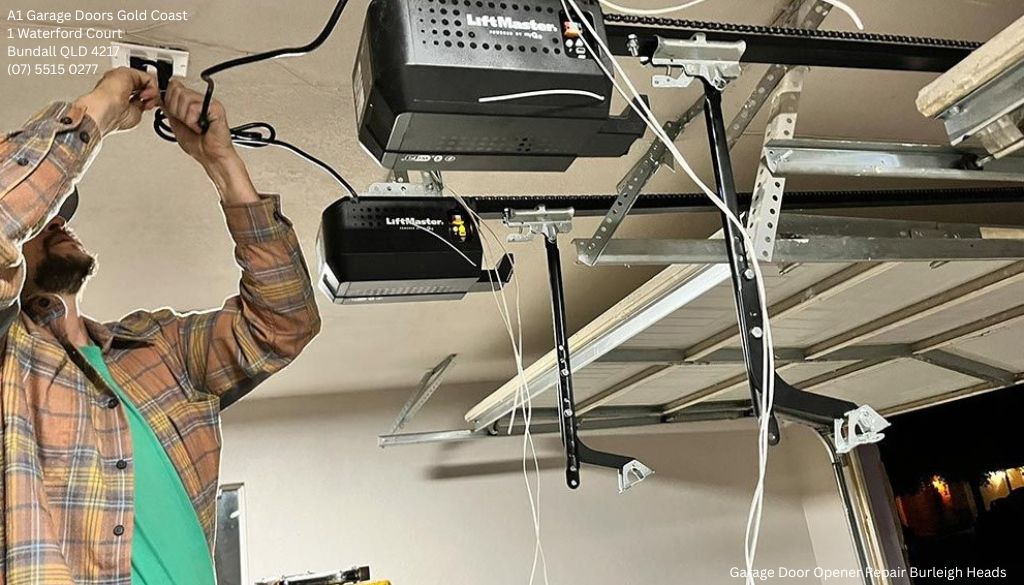
A quality garage door repair see frequently consists of opener examination, however only after the service technician validates the mechanical wellness of the door itself. Once the door is well balanced and moving freely, opener traveling limitations, force setups, rail attachment, and drive elements can be changed properly. If the opener has actually been exhausted for months, it might still require fixing or substitute, however that medical diagnosis becomes much clearer after the door technicians are corrected.
When fixing makes good sense, and when installation is the smarter move
Not every loud or unbalanced door needs complete replacement. Many doors respond extremely well to targeted repairs, specifically when the areas are structurally audio and the tracks remain in good shape. Changing springtimes, rollers, cords, bearings, and hinges can recover years of service to an otherwise solid door.
There are situations, though, where garage door installation is the better long-term selection. If the door has multiple split sections, severe rust near the bottom, delamination in timber panels, or outdated components that are difficult to source, fixing expenses can start accumulating without solving the larger issue. This is especially real when an old door has bad insulation, does not have modern-day safety functions, or does not combine well with a more recent opener.
An usual example is the older one-piece or lightweight pan-style door that has actually been repaired repetitively. If the house owner wants quieter procedure, much better securing, and enhanced curb appeal, remaining to patch that system may not be the best investment. A modern-day sectional shielded door with a matched opener frequently provides an obvious renovation in sound, energy efficiency, and reliability.
Commercial buildings encounter similar choices, though the computations differ. Commercial garage door repair often prioritizes uptime, obligation cycle, and hardware sturdiness over visual appeals. On the residential side, homeowners generally stabilize cost with convenience, security, and appearance.
What property owners can safely examine prior to asking for service
A few observations deserve making prior to you arrange service, however they must remain on the secure side of the line. You do not require to dismantle anything to collect valuable information.
You can stand inside the garage with the door shut and seek noticeable wire fraying, loosened hinge screws, curved track areas, or a gap in a torsion spring that indicates a break. You can listen to where the sound happens, at startup, mid-travel, or near full open. You can additionally disengage the opener only if the door is completely closed and test whether the door feels unusually heavy when lifted carefully.
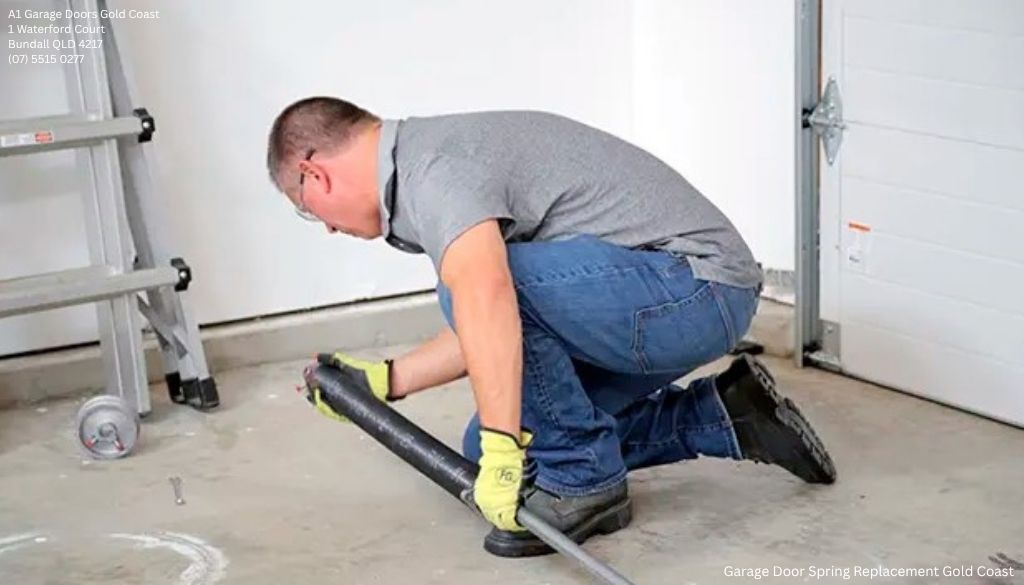
What you must refrain from doing is loosen spring hardware, get rid of bottom braces, or damage cables under stress. Those parts are not forgiving.
A short homeowner checklist serves right here:
- Check whether the door is tougher to raise than it utilized to be.
- Listen for where the sound starts and whether it repeats at the exact same spot.
- Look for loosened hardware, worn rollers, or visibly harmed track.
- Confirm that the opener turns around properly when examined according to the maker's instructions.
- Stop utilizing the door if you see a broken springtime or hanging cable.
That last point saves a lot of secondary damages. A service require one broken springtime is discouraging. A service call for a busted spring plus a burned-out opener and curved leading area is a lot more expensive and more disruptive.
What professional domestic garage door repair must include
Good service is not just swapping one of the most obvious failed part. A professional ought to evaluate the whole os because sound and inequality frequently have more than one contributor.
In a correct browse through, the tech must consider or estimate door weight properly for springtime selection, evaluate cords and drums, examine birthing plates, evaluation track alignment, examine rollers and joints, and confirm opener function after the door mechanics are recovered. If springtimes are being replaced, cycle life and correct sizing matter. Mounting the wrong spring set can make the door "job" while staying slightly out of equilibrium, which shortens the life of everything else.
Lubrication also requires some subtlety. Not every part desires the exact same item. Springs, bearings, and joint pivots benefit from the appropriate garage door lubricating substance. Tracks generally needs to not be oiled heavily because that draws in grit and creates a messy drag path. A lot more lubricating substance is not automatically better.
Experienced technicians likewise look for structural concerns around the door. Timber jambs can rot. Lag screws can loosen up in framework. Header braces can change. A door that has actually headed out of square might be telling you something regarding the opening, not just the relocating parts.
Cost, value, and the costly routine of waiting too long
Homeowners frequently postpone garage door repair because the door is still practically operational. That is easy to understand, however waiting often tends to enhance the expense. A rough roller today can come to be a used hinge and scarred track later on. A weak spring today can become an opener repair service next month. A cable television that is starting to battle royal can jump a drum and leave the door jammed at an angle.
Costs vary by region and by door type, so wide arrays are extra honest than specific pledges. Small tune-up job and roller replacement are usually on the lower end. Garage door spring replacement, cord replacement, or opener fixing land in the center. Full garage door installation costs more up front, but can make good sense when an old door is eating money in repeated visits.
The worth question need to include greater than the billing. A garage door becomes part of your home's safety and security envelope and often part of its everyday routine. If it fails outdoors placement, your timetable modifications immediately. If it stops working closed with an automobile caught inside, the disturbance is just as real.
Choosing the appropriate repair course for a loud, out of balance door
The right fix relies on what fell short, what is put on, and just how old the remainder of the system is. A six-year-old shielded steel door with a broken torsion springtime is generally an uncomplicated repair service. A twenty-year-old door with rusted bottom components, bent track, noisy metal rollers, and an opener that has been stressing for several years requires a wider conversation.
That is where experience matters. There is a difference between a professional who can make a door move today and one who can inform you whether the system will certainly still be reliable 6 months from currently. Truthful referrals generally appear well balanced. Repair what is sensible. Change what is hazardous or uneconomical. Do not offer a whole system when a targeted fixing will certainly do, and do not keep restoring a damaged door just to postpone the obvious.
For home owners, the sensible takeaway is easy. Sound is not just aesthetic, and discrepancy is never something to ignore. When a garage door begins appearing harsh, lifting unevenly, or feeling heavy, it is asking for focus before a tiny repair service develops into a bigger one. Timely residential garage door repair shields the opener, prolongs the life of the door, and keeps among the biggest moving components in your house running the means it should, smoothly, securely, and without making the whole home listen to it.