How to Expand the Life of Your Garage Door Opener
A garage door opener normally obtains attention only when it starts acting up. The wall surface button waits, the motor appears harsh, the remote sheds variety, or the door turns around halfway down on a chilly early morning. Already, the opener has actually often been functioning more difficult than it ought to for months, often years.
Most opener failures are not sudden mechanical secrets. They are put on troubles that develop slowly. A poorly well balanced door strains the motor. Dry rollers create drag. Misaligned safety and security sensors compel repeat cycles. Old springtimes lose toughness. Tracks accumulate particles. Also a good device from a trusted brand will certainly wear out early if it spends its life making up for issues elsewhere in the system.
That is the part lots of homeowners miss. The garage door opener is only one element in a bigger relocating assembly. If the door, springtimes, tracks, joints, rollers, and wires are not in proper problem, the opener ends up being the machine that absorbs the effects. Prolonging the life of the opener starts with minimizing that burden.
The opener is a puller, not a lifter
This distinction matters. A garage door opener is developed to direct and pull an appropriately balanced door, not dead-lift its complete weight. In a healthy system, the torsion or extension springtimes lug most of the lots. The opener offers regulated motion and convenience.
When springs deteriorate, or when the door gets larger from dampness absorption, included insulation, or hardware wear, the opener starts doing work it was never sized to do. You may still see the door open and close, which gives an incorrect sense that everything is great. Yet inside the opener, the electric motor runs hotter, the equipment train experiences more shock, and the travel restricts drift as the machine battles irregular resistance.
I have seen openers survive fifteen years in one garage and fall short in six in one more, despite similar use. The distinction was hardly ever the logo design on the housing. It was usually the problem of the door system connected to it.
Start with door balance prior to you touch the opener
If you desire the solitary ideal forecaster of opener durability, check door equilibrium. Separate the opener making use of the emergency situation release cord, then lift the door by hand. An appropriately balanced door must move smoothly and hug midsection height without crashing down or shooting up. It does not have to ice up perfectly in position, but it ought to not feel like lifting a refrigerator.
If the door is hefty or wanders severely, the issue is normally springtime tension, springtime exhaustion, or an associated hardware trouble. That is where garage door repair ends up being more than a benefit problem. It ends up being preventative defense for the opener.
This is likewise where judgment matters. Minor lubrication and noticeable debris cleaning are homeowner-friendly jobs. Spring job is not. Garage door spring substitute entails saved energy that can create serious injury when dealt with incorrectly. In the field, I have actually seen damaged winding bars, cracked cones, and dissimilar substitute springtimes produce harmful problems that were a lot more pricey to fix after a failed diy attempt.
For homes, household garage door repair typically begins with harmonizing, roller substitute, track adjustment, and sensing unit positioning. In larger buildings, business garage door repair adds one more layer due to the fact that cycle matters are higher, doors are larger, and opener stress shows up quicker. A light-duty domestic operator can in 2014 opening up four times a day. A commercial driver on a busy service bay might hit the same cycle count in a couple of months.
Friction is the quiet killer
People anticipate opener failure to be dramatic, yet friction typically does the damages in tiny increments. A joint stiffens. A roller establishes a flat place. A track brace loosens up simply enough to place the upright track somewhat out of plumb. The opener makes up, the door still moves, and the additional tons obtains normalized.
Listen carefully to the system when it runs. A healthy and balanced door has a relatively also sound from beginning to end. If you listen to scraping, pulsing, standing out, rattling, or a grinding note near the header, something is resisting the movement. That resistance eventually obtains billed to the opener.
Lubrication assists, but only when used correctly. The target is the moving steel interfaces, such as hinges, roller bearings if relevant, and springtime coils on torsion systems. Tracks usually must be cleansed, not coated greatly with grease. Thick grease in the tracks attracts dust and develops into abrasive paste. That can make the door even worse, not better.
A silicone-based or garage-door-specific lubricating substance generally works well. Use enough to decrease rubbing, not a lot that it trickles all over. If the rollers are nylon, the bearings still matter. If they are older steel rollers and they rattle like purchasing cart wheels, replacement may be a far better financial investment than repeated lubrication.
Installation top quality forms life expectancy from day one
An opener can just execute as well as the installment enables. I have actually walked into garages where the rail angle was off, the header brace was secured badly, the arm geometry was uncomfortable, or the opener was mounted to flimsy perforated band that flexed every cycle. In those setups, vibration increases, bolts loosen, and travel setups drift.
Proper garage door setup is not nearly obtaining the door to open up on the first day. It is about setting up a steady mechanical connection between the door and the driver so the pressures remain foreseeable gradually. The opener rail should be aligned properly. The door arm ought to not bind. The mounting ought to be inflexible adequate to stop bounce and twist. Security sensors need a clear line and firm positioning. Electrical wiring should be safeguarded nicely, not left hanging where vibration can exhaustion it.
If your opener has actually constantly appeared extreme or unsteady because the day it was set up, that is a clue. Some property owners think a loud opener is regular because the door does relocate accurately. Usually it is not typical. It is a sign that the system was installed with tiny concessions that are currently amplifying wear.
Weather modifications greater than a lot of proprietors realize
Garage doors react to the environment. Cold weather tenses grease and modifications springtime actions. Humidity swells some timber doors and can include weight to aging panels. Warm affects electronics, specifically in garages that trap summer temperature levels. Dirt, salt, and airborne debris can function their way right into tracks, bearings, and photo-eye lenses.
This is one reason opener problems often seem seasonal. A door that barely comes on mild weather might begin turning around or straining in winter due to the fact that the margin of error goes away. If your opener appears various in January than it does in Might, focus. Seasonal modification is often exposing an underlying maintenance issue.
For seaside locations, corrosion becomes a significant variable. For homes near crushed rock roads or active building, dust breach becomes one. In both situations, shorter upkeep intervals make sense. There is no universal calendar that fits every garage. A removed garage in a completely dry climate may need much less attention than a humid, high-use connected garage where cars, yard equipment, and daily foot web traffic maintain the atmosphere dirty.
Small modifications that stop large repairs
Openers typically fail early since no one makes the little adjustments when advising indications initially show up. The chain droops and slaps. The belt starts chirping. The force setup gets boosted to mask a sticking door. The travel limit is bumped repeatedly until the door shuts, despite the fact that the genuine issue is sensor alignment or drag at the bottom section.
Those shortcuts solve the signs and symptom and protect the underlying pressure. A pressure setting must not be made use of to bully a bad door into relocating. If the opener all of a sudden requires more pressure than it used to, something has actually altered mechanically. Find that change.
The very same chooses repeated remote concerns. In some cases the wrongdoer is simple, like battery substitute or LED bulb interference near the opener head. Various other times, proprietors criticize the remote when the opener is actually stopping since the door motion is irregular and the logic board is responding to resistance.
A fast assessment every couple of months captures many of these problems before they grow out of control. Below is a functional home owner check:
- Watch one full open and close cycle without using the garage.
- Listen for any new audio, particularly scuffing, grinding, or irregular motor pitch.
- Confirm the safety and security sensing units deal with each various other cleanly and the sign lights are steady.
- Check that the door seal get in touches with the flooring equally across the width.
- Pull the emergency release when the door is closed and really feel exactly how hefty the door is by hand.
That five-minute behavior can conserve an electric motor, a gear collection, or a solution phone call that shows up after the opener has currently failed.
Springs deserve respect, and they impact opener life more than any type of remote ever will
An unusual number of home owners focus on remotes, keypads, and Wi-Fi attributes while the springs above the door are quietly aging out. Springs are palatable parts. They have a life span gauged in cycles, and when that life is nearing the end, the opener is normally the very first element to feel it.
A springtime does not require to break completely to create difficulty. It can simply deteriorate sufficient that the door becomes noticeably much heavier. The opener still raises it for some time, but each cycle produces extra stress. In property garage door repair, this is one of one of the most common patterns behind "mystical" opener failure.
Garage door spring replacement is not extravagant, yet it often transforms a having a hard time system. The door lifts much easier, runs smoother, and quits jerking at the start of travel. On a dual-spring arrangement, changing only the damaged spring can additionally be shortsighted if the matching springtime has the same age and cycle history. When one has actually reached the end, the various other is typically close behind.
A good technician additionally matches the spring to the actual door weight and elevation. That sounds noticeable, yet numerous doors are lugging whatever springtime occurred to be offered throughout a previous repair work. The opener then spends years compensating for an incomplete equilibrium that no one notices.
Keep the opener itself clean and properly adjusted
The opener head system needs less interest than the door, but not none. Dirt build-up around the electric motor real estate and light sockets prevails, particularly in garages that double as workshops. Vents must remain clear so heat can dissipate. Excess heat shortens the life of electronics and electric motor components.
Drive systems additionally require periodic evaluation. Chain-drive designs might require tension adjustment. As well loose, and the chain slaps. Too tight, and bearings and gears put on quicker. Belt-drive units run quieter, but damaged belts can still fray or jump under inadequate alignment. Screw-drive versions have their own lubrication and temperature sensitivities.
Travel and pressure settings should be correct, not simply "adequate." When established properly, the door needs to get to complete traveling without slamming, reversing unexpectedly, or hovering short of closed. If you discover on your own tweaking these setups commonly, treat that as a sign, not a maintenance routine. Something else is most likely moving, binding, or wearing.
Modern openers also rely upon sensors and control panel that prefer secure power. If your garage experiences frequent surges or outages, a rise guard ranked for garage usage can assist safeguard the electronic devices. It will certainly not fix a mechanical concern, however it can save a logic board from the type of voltage occasion that ends an opener instantly.
Usage patterns matter, particularly in busy families and industrial settings
An opener in a two-car family garage might cycle eight to twelve times a day without any individual reasoning twice concerning it. Add teens, distributions, pet dog strolls, storage accessibility, and side-yard traffic with the garage, and that matter climbs up quickly. Even more cycles suggest faster wear, also in a well-kept setup.
For family members with high day-to-day use, a costs opener and higher-cycle springs typically spend for themselves. For service homes, industrial garage door repair and maintenance ought to be planned, not reactive. The business economics are straightforward. A stopped working driver at a loading bay or solution entry develops much more disruption than a scheduled examination ever before will.
If you are changing an opener, match it to genuine use. A hefty wood door, an extra-large protected door, or a high-cycle commercial opening may require more than a basic unit. People often underbuy because the lower-horsepower version raises the door throughout setup. That does not imply it is the ideal option for several years ten.
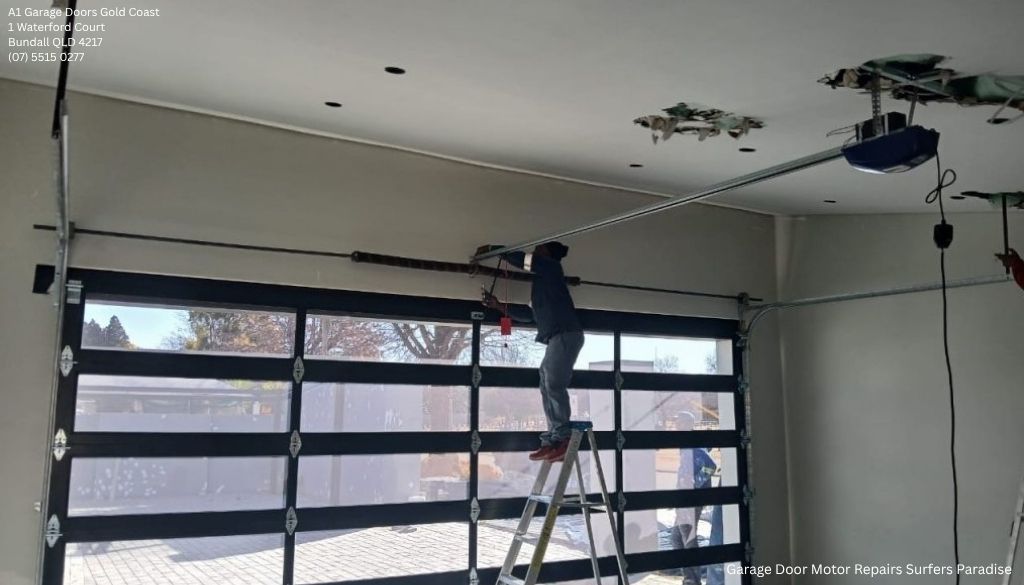
Know the indication that the opener is being overworked
Most opener failings announce themselves early. The obstacle is acknowledging the message before a breakdown leaves your automobile entraped inside or outside the garage.
professional garage door maintenance- The opener pressures, hums loudly, or relocates slower than it used to.
- The door turns around without a clear obstruction or stops working to shut evenly.
- The rail shakes exceedingly or the opener housing vibrates more than normal.
- The chain, belt, or door arm jerks at the start of movement.
- You requirement frequent pressure or limit adjustments to keep the door operating.
Any one of those can indicate an opener problem, yet equally as commonly they point to the door system putting uncommon lots on the opener. That distinction issues since changing the opener alone may not fix the genuine problem.
When repair service makes more feeling than substitute, and when it does not
There is a functional middle ground between "ignore it" and "change every little thing." Lots of opener problems are repairable. Used gears, negative capacitors, misadjusted limitations, sensor troubles, and cart wear can commonly be addressed cost-effectively, especially if the door itself remains in decent shape. Excellent garage door repair work must enhance the entire system, not just swap components until the symptoms go away.
That claimed, age issues. If an opener is very old, does not have modern-day safety and security features, and has actually currently gone through multiple repair work, replacement might be the smarter long-lasting decision. The very same holds true when parts are no more readily available or when the system was undersized from the beginning. A new garage door opener coupled with appropriate balancing and a solid evaluation of the springs and rollers can reset the clock significantly.
The most intelligent substitutes are done as system decisions. If the opener failed due to the fact that the springs are exhausted and the door equipment is used, addressing just the motor welcomes a repeat issue. If the door is brand-new and balanced but the operator electronic devices are outdated, opener replacement alone may be perfectly practical. Great service technicians do not force a manuscript onto every garage. They read the whole system and make a suggestion based on exactly how the parts interact.
A few habits that include years
The longest-lasting openers generally live in garages where owners take note before points get extreme. They do not wait on overall failing. They notice when the door obtains much heavier. They hear when a roller modifications tone. They call for domestic garage door repair prior to the opener comes to be the sacrificial part.
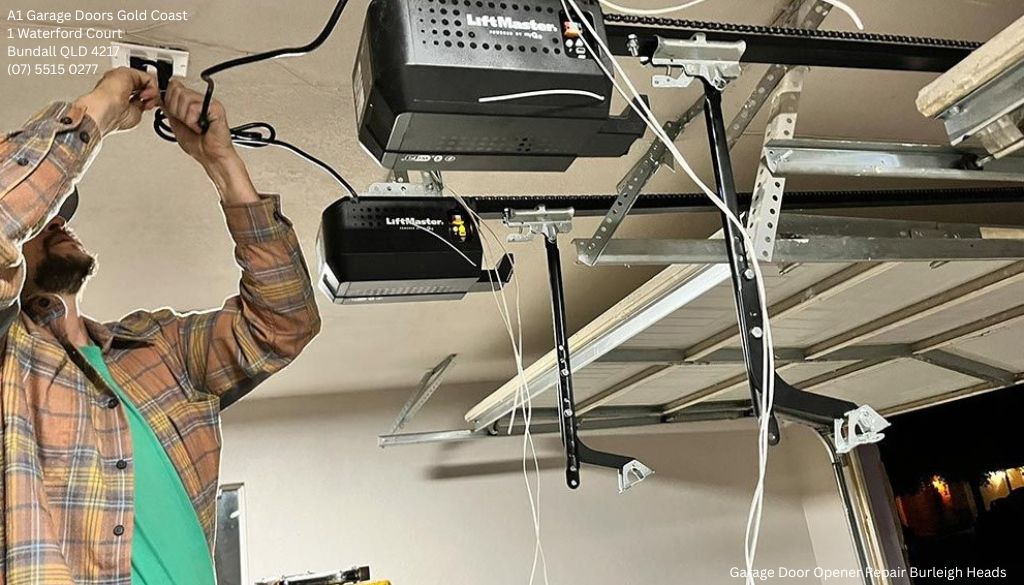
If you keep in mind nothing else, remember this: the opener lasts much longer when the door relocates quickly by hand. That one concept covers most of the rest. A balanced door, healthy springtimes, straightened tracks, free-moving rollers, correct pressure setups, and a stiff setup all serve that goal.
Maintenance does not have to be intricate. It needs to be timely. A door that is serviced before it starts combating the driver can offer an opener lots of additional years of dependable usage. And in my experience, that is the difference between a garage system that quietly does its work for a decade or more and one that maintains demanding money in small, frustrating bursts.