How to Expand the Life of Your Garage Door Opener
A garage door opener generally obtains attention just when it starts breaking down. The wall button thinks twice, the motor seems harsh, the remote sheds array, or the door reverses halfway down on a cool morning. Already, the opener has actually frequently been working tougher than it needs to for months, sometimes years.
Most opener failures are not unexpected mechanical secrets. They are use issues that develop slowly. A poorly well balanced door pressures the motor. Dry rollers develop drag. Misaligned safety sensors compel repeat cycles. Old springs lose toughness. Tracks collect particles. Also a great system from a reputable brand will certainly break early if it invests its life compensating for issues somewhere else in the system.
That is the part lots of house owners miss out on. The garage door opener is just one part in a larger moving assembly. If the door, springs, tracks, joints, rollers, and cable televisions are not in correct problem, the opener ends up being the device that absorbs the repercussions. Extending the life of the opener begins with reducing that burden.
The opener is a puller, not a lifter
This difference matters. A garage door opener is made to guide and draw a correctly well balanced door, not dead-lift its full weight. In a healthy and balanced system, the torsion or extension springtimes carry the majority of the load. The opener supplies regulated motion and convenience.
When springtimes compromise, or when the door obtains larger from wetness absorption, included insulation, or hardware wear, the opener begins doing job it was never sized to do. You may still see the door open and close, which offers an incorrect sense that whatever is great. Yet inside the opener, the motor runs hotter, the equipment train experiences a lot more shock, and the traveling restricts drift as the device battles inconsistent resistance.
I have seen openers survive fifteen years in one garage and fail in six in another, despite having comparable usage. The difference was rarely the logo design on the real estate. It was almost always the condition of the door system attached to it.
Start with door balance before you touch the opener
If you desire the solitary ideal forecaster of opener long life, check door balance. Disconnect the opener making use of the emergency situation launch cord, then raise the door by hand. A correctly balanced door must relocate efficiently and stay near midsection height without crashing down or skyrocketing. It does not have to freeze completely in place, yet it must not really feel like lifting a refrigerator.
If the door is heavy or wanders severely, the concern is normally springtime tension, springtime tiredness, or a relevant equipment problem. That is where garage door repair comes to be more than a benefit concern. It becomes preventive security for the opener.
This is likewise where judgment matters. Small lubrication and noticeable debris cleanup are homeowner-friendly tasks. Springtime work is not. Garage door spring replacement includes stored energy that can cause major injury when handled incorrectly. In the field, I have seen broken winding bars, split cones, and mismatched replacement springtimes produce unsafe conditions that were much more expensive to deal with after a failed diy attempt.
For homes, domestic garage door repair typically begins with harmonizing, roller substitute, track change, and sensor placement. In larger buildings, commercial garage door repair adds one more layer because cycle matters are higher, doors are much heavier, and opener stress turns up faster. A light-duty residential operator can last years opening 4 times a day. A business operator on a busy solution bay may hit the very same cycle count in a couple of months.
Friction is the quiet killer
People expect opener failure to be remarkable, however rubbing generally does the damage in small increments. A joint stiffens. A roller establishes a flat spot. A track bracket loosens simply enough to put the vertical track somewhat out of plumb. The opener compensates, the door still relocates, and the extra load gets normalized.
Listen meticulously to the system when it runs. A healthy and balanced door has a rather even sound throughout. If you hear scuffing, pulsing, popping, rattling, or a grinding note near the header, something is resisting the motion. That resistance at some point gets billed to the opener.
Lubrication helps, however just when applied correctly. The target is the moving metal interfaces, such as hinges, roller bearings if relevant, and springtime coils on torsion systems. Tracks usually ought to be cleaned up, not layered heavily with oil. Thick oil in the tracks draws in dust and turns into unpleasant paste. That can make the door even worse, not better.
A silicone-based or garage-door-specific lubricating substance usually works well. Usage sufficient to minimize friction, not a lot that it drips anywhere. If the rollers are nylon, the bearings still matter. If they are older steel rollers and they rattle like buying cart wheels, replacement might be a much better financial investment than duplicated lubrication.
Installation quality shapes lifespan from day one
An opener can only execute along with the setup permits. I have strolled into garages where the rail angle was off, the header brace was secured inadequately, the arm geometry was awkward, or the opener was mounted to flimsy perforated band that bent every cycle. In those setups, vibration boosts, fasteners loosen up, and traveling setups drift.
Proper garage door installation is not almost obtaining the door to open on day one. It has to do with establishing a steady mechanical relationship between the door and the operator so the pressures remain foreseeable in time. The opener rail must be lined up appropriately. The door arm ought to not bind. The mounting must be rigid adequate to avoid bounce and twist. Security sensing units need a clear line and firm positioning. Circuitry needs to be safeguarded neatly, not left hanging where resonance can exhaustion it.
If your opener has actually constantly seemed rough or unstable given that the day it was mounted, that is an idea. Some home owners assume a loud opener is typical because the door does move dependably. Frequently it is not typical. It is a sign that the system was installed with little compromises that are now magnifying wear.
Weather adjustments greater than most owners realize
Garage doors react to the atmosphere. Winter tenses oil and changes springtime actions. Humidity swells some timber doors and can include weight to maturing panels. Warm influences electronics, particularly in garages that catch summertime temperatures. Dust, salt, and airborne particles can work their way right into tracks, bearings, and photo-eye lenses.
This is one reason opener problems frequently seem seasonal. A door that barely comes on moderate climate might begin turning around or straining in wintertime due to the fact that the margin of error goes away. If your opener appears different in January than it carries out in May, listen. Seasonal change is commonly exposing an underlying maintenance issue.
For seaside locations, corrosion becomes a significant element. For homes near gravel roads or active building and construction, dust invasion turns into one. In both situations, shorter maintenance periods make good Southport QLD garage door technicians sense. There is no universal calendar that fits every garage. A detached garage in a completely dry environment may require much much less focus than a moist, high-use affixed garage where cars and trucks, grass equipment, and daily foot traffic keep the setting dirty.
Small adjustments that avoid huge repairs
Openers often stop working early because nobody makes the tiny adjustments when warning indications first appear. The chain sags and slaps. The belt begins chirping. The pressure setting obtains raised to mask a sticking door. The traveling limit is bumped consistently up until the door shuts, even though the real problem is sensor placement or drag at the bottom section.
Those faster ways resolve the symptom and protect the underlying stress. A force setting need to not be utilized to bully a negative door right into moving. If the opener unexpectedly needs even more force than it made use of to, something has actually transformed mechanically. Locate that change.
The same goes for repeated remote problems. Often the wrongdoer is straightforward, like battery substitute or LED bulb interference near the opener head. Other times, owners blame the remote when the opener is really stopping briefly because the door activity is irregular and the reasoning board is responding to resistance.
A fast inspection every few months catches most of these issues prior to they grow out of control. Right here is a sensible house owner check:
- Watch one complete open and close cycle without making use of the garage.
- Listen for any kind of new sound, specifically scuffing, grinding, or unequal electric motor pitch.
- Confirm the safety and security sensing units deal with each various other cleanly and the indicator lights are steady.
- Check that the door seal calls the flooring equally across the width.
- Pull the emergency situation launch when the door is closed and really feel exactly how hefty the door is by hand.
That five-minute routine can conserve a motor, a gear collection, or a service phone call that shows up after the opener has currently failed.
Springs are worthy of regard, and they influence opener life greater than any type of remote ever before will
A surprising variety of home owners concentrate on remotes, keypads, and Wi-Fi attributes while the springtimes over the door are silently aging out. Springs are consumable parts. They have a service life measured in cycles, and when that life is nearing the end, the opener is normally the initial element to really feel it.
A springtime does not require to break completely to create problem. It can just deteriorate enough that the door becomes noticeably much heavier. The opener still raises it for some time, yet each cycle creates a lot more anxiety. In property garage door repair, this is one of one of the most usual patterns behind "mystical" opener failure.
Garage door spring replacement is not extravagant, however it usually changes a struggling system. The door raises less complicated, runs smoother, and stops jerking at the beginning of traveling. On a dual-spring configuration, replacing just the busted spring can also be shortsighted if the matching spring has the very same age and cycle background. When one has gotten to completion, the various other is often close behind.
A great service technician additionally matches the spring to the actual door weight and height. That seems obvious, but several doors are bring whatever springtime took place to be readily available during a previous repair. The opener after that spends years making up for an imperfect equilibrium that no one notices.
Keep the opener itself tidy and appropriately adjusted
The opener head unit needs less attention than the door, but not none. Dirt accumulation around the motor real estate and light sockets prevails, especially in garages that function as workshops. Vents need to stay clear so heat can dissipate. Excess warm reduces the life of electronics and electric motor components.
Drive systems also require regular testimonial. Chain-drive versions might require tension modification. As well loose, and the chain slaps. Too tight, and bearings and gears wear quicker. Belt-drive devices run quieter, however damaged belts can still battle royal or jump under bad alignment. Screw-drive designs have their own lubrication and temperature sensitivities.
Travel and pressure settings need to be correct, not simply "sufficient." When set effectively, the door should get to complete travel without knocking, reversing unexpectedly, or hovering short of shut. If you discover yourself tweaking these setups frequently, deal with that as a symptom, not an upkeep routine. Something else is likely moving, binding, or wearing.
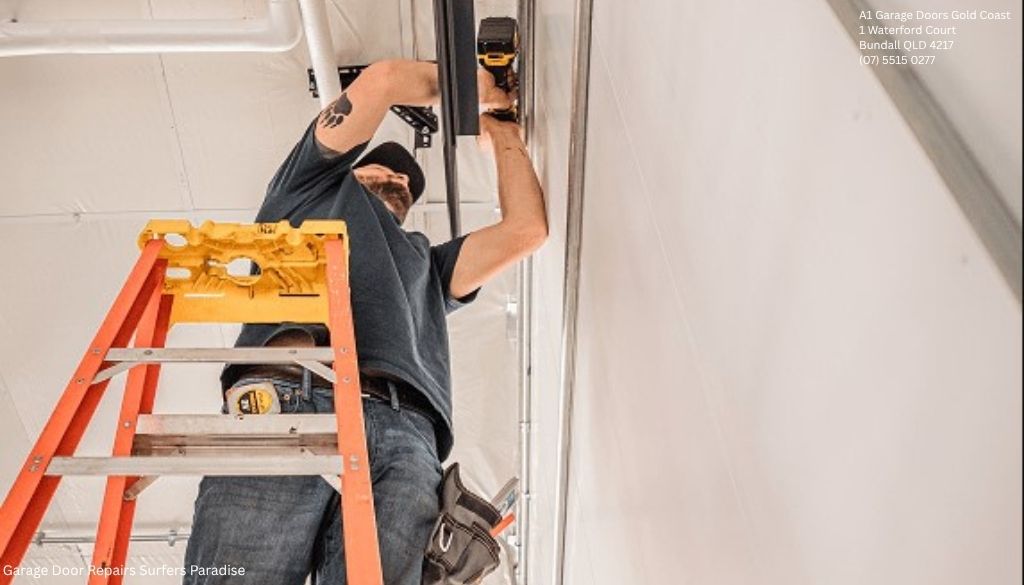
Modern openers additionally depend on sensing units and control panel that like secure power. If your garage experiences frequent rises or outages, a rise protector ranked for garage usage can assist protect the electronics. It will certainly not fix a mechanical problem, but it can conserve a logic board from the type of voltage event that ends an opener instantly.
Usage patterns issue, particularly in hectic houses and industrial settings
An opener in a two-car family garage might cycle eight to twelve times a day without anybody reasoning twice about it. Add teenagers, shipments, dog walks, storage space access, and side-yard website traffic with the garage, and that count climbs up swiftly. More cycles indicate faster wear, also in a well-maintained setup.
For households with high daily use, a premium opener and higher-cycle springs often spend for themselves. For business buildings, business garage door repair and maintenance must be intended, not reactive. The economics are straightforward. A stopped working operator at a loading bay or solution entryway develops even more disruption than a scheduled inspection ever will.
If you are changing an opener, match it to actual use. A hefty wood door, an extra-large shielded door, or a high-cycle industrial opening may require more than a basic system. Individuals sometimes underbuy due to the fact that the lower-horsepower version lifts the door during installation. That does not indicate it is the right selection for year ten.
Know the warning signs that the opener is being overworked
Most opener failings reveal themselves early. The challenge is acknowledging the message before a failure leaves your car caught inside or outside the garage.
- The opener strains, hums loudly, or moves slower than it utilized to.
- The door reverses without a clear blockage or fails to shut evenly.
- The rail drinks exceedingly or the opener real estate shakes more than normal.
- The chain, belt, or door arm jerks at the start of movement.
- You requirement regular pressure or limitation changes to maintain the door operating.
Any among those can point to an opener concern, however equally as frequently they indicate the door system putting irregular lots on the opener. That difference issues because changing the opener alone may not address the actual problem.
When repair work makes even more sense than replacement, and when it does not
There is a functional middle ground in between "neglect it" and "change whatever." Lots of opener concerns are repairable. Used gears, poor capacitors, misadjusted limits, sensor troubles, and cart wear can typically be addressed cost-effectively, specifically if the door itself remains in suitable shape. Excellent garage door repair work ought to boost the entire system, not merely exchange components until the signs go away.
That stated, age matters. If an opener is very old, lacks contemporary safety and security attributes, and has actually currently experienced multiple repair work, substitute might be the smarter long-term choice. The same holds true when parts are no more readily offered or when the unit was undersized from the beginning. A brand-new garage door opener paired with correct harmonizing and a strong inspection of the springs and rollers can reset the clock significantly.
The most intelligent substitutes are done as system choices. If the opener failed because the springtimes are worn out and the door equipment is put on, resolving only the electric motor invites a repeat issue. If the door is new and balanced but the operator electronics are outdated, opener substitute alone may be perfectly practical. Great service technicians do not compel a manuscript onto every garage. They check out the whole system and make a referral based on exactly how the components interact.
A couple of habits that add years
The longest-lasting openers typically reside in garages where owners listen before points get extreme. They do not wait on total failing. They observe when the door gets larger. They listen to when a roller changes tone. They ask for property garage door repair before the opener becomes the sacrificial part.
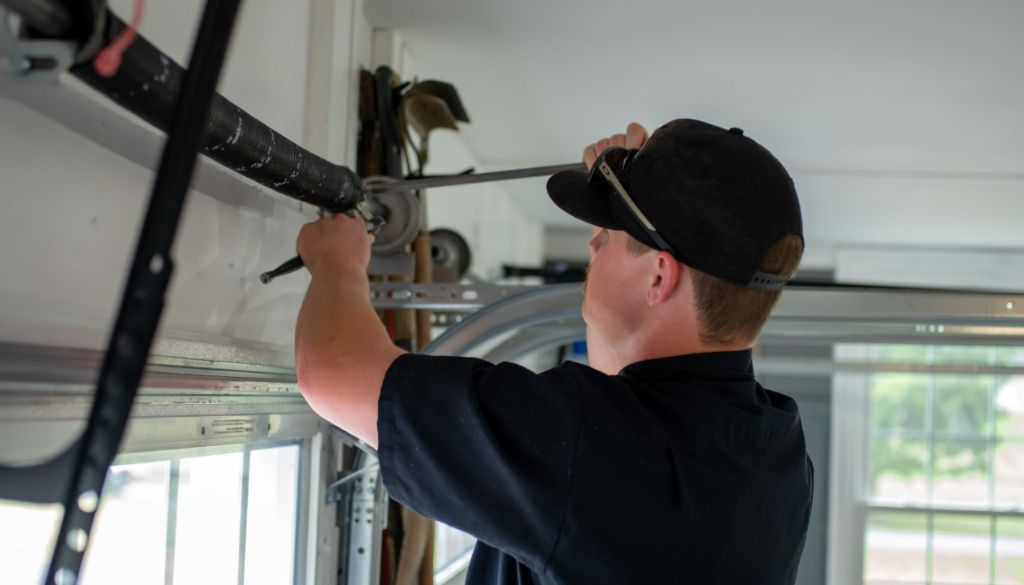
If you remember absolutely nothing else, remember this: the opener lasts much longer when the door moves conveniently by hand. That one principle covers most of the remainder. A well balanced door, healthy springtimes, lined up tracks, free-moving rollers, right force setups, and a stiff installment all serve that goal.
Maintenance does not need to be intricate. It has to be prompt. A door that is serviced prior to it starts dealing with the driver can offer an opener lots of extra years of reputable use. And in my experience, that is the distinction in between a garage system that silently does its job for a decade or even more and one that keeps demanding money in small, discouraging bursts.