Garage Door Repair Made Simple: What Every Homeowner Should Know
A garage door is very easy to neglect when it works and impossible to neglect when it does not. It is the largest moving part in most homes, it obtains utilized numerous times a day, and it lugs an unusual amount of weight. When something fails, property owners usually face the exact same inquiries at the same time: Is this hazardous? Is it costly? Can I repair it myself, or need to I call a professional?
After years of seeing the very same failings repeat throughout different homes and buildings, one point attracts attention. A lot of garage door problems start as tiny concerns. A little wobble in the track, a springtime shedding stress, rollers grinding louder than common, an opener stressing momentarily longer than it made use of to. These very early indications are frequently disregarded up until the door stops halfway, pounds closed, or catches an automobile within right prior to work.
Garage door repair does not need to really feel mystical. If you comprehend just how the system works, what often tends to fall short, and where the real safety and security threats are, you can make much better decisions and stay clear of turning a workable repair right into a full replacement.
The components that matter most
A garage door looks easy from the driveway, yet it is really a system of balanced components. The door itself may evaluate anywhere from around 100 pounds for a lighter solitary door to 300 pounds or more for a larger shielded double door. What makes that weight workable is the spring system. The springtimes do the heavy lifting. The opener does not lift the full weight of the door on its own, a minimum of not when everything is functioning properly.
That distinction issues. If a door all of a sudden really feels impossibly heavy when you draw the emergency release, the issue is typically not the garage door opener. It is usually spring failing or significant springtime exhaustion. Numerous house owners replace an opener initially due to the fact that it seems the part that has actually quit working, however the opener may merely have been overworked attempting to compensate for a door that is no more balanced.
Tracks direct the door, rollers move along the tracks, cords collaborate with the springs to elevate and lower the lots, hinges let sectional panels bend as the door travels, and climate seals stay out water, dirt, and pests. Every component impacts the others. A bent track can put on rollers. Worn rollers can strain joints. Weak springtimes can shorten opener life. Garage door repair is seldom about one separated component permanently. It is usually regarding locating the very first failing prior to it spreads.
What usually fails first
In residential garage door repair, the most common difficulty places are springtimes, rollers, cable televisions, sensors, and openers. Springs wear because they are palatable components. A lot of standard torsion springtimes are rated by cycles, and a cycle is one complete opening and closing of the door. If a home uses the garage as the main entry, the springs age much faster than lots of people expect.
Rollers can squash, crack, or just obtain noisy. Steel rollers commonly last a long time, but if they are not preserved, they can come to be loud and harsh. Nylon rollers are quieter, though high quality varies. Inexpensive ones wear promptly. Tracks can change if the placing brackets loosen up or if a lorry bumps the structure hard sufficient to toss points out of positioning. Photo eye sensing units can stop working from impact, wiring problems, or straightforward dirt on the lens. Openers use down with time, specifically if they have been raising an out of balance door.
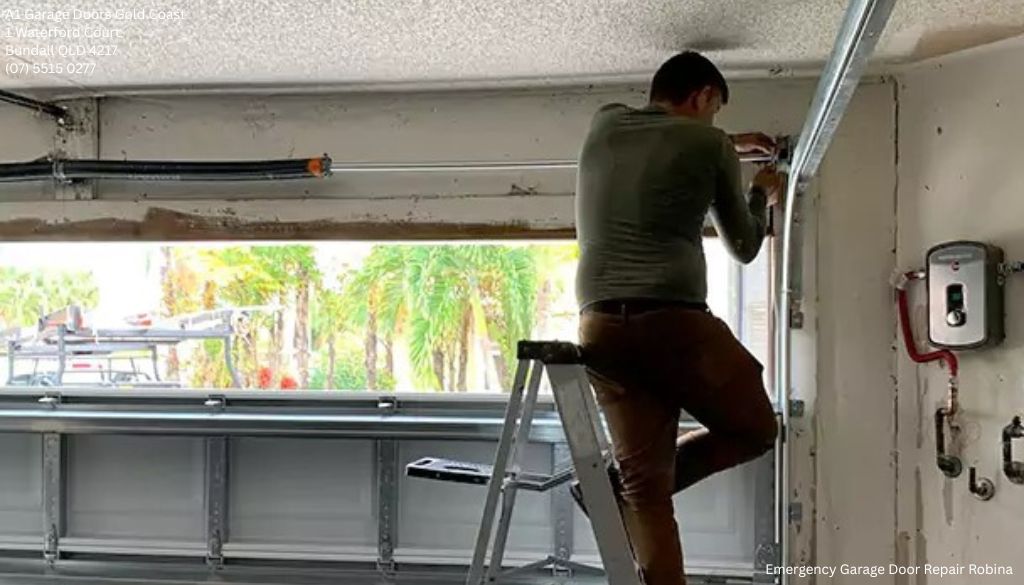
Commercial garage door repair follows much of the exact same principles, yet the stakes and use rates are usually greater. A storehouse door or service bay door may cycle lots of times a day. Equipment is normally heavier, springtimes are bigger, and downtime prices extra. What a property owner can endure for a week, an organization might need solved by noon.
The audio of trouble
Technicians frequently diagnose a garage door prior to they touch it, simply by listening. A healthy and balanced door has a constant mechanical audio. It ought to not shrill, bang, pop, chatter, or drag. A sharp bang from the garage that sounds like a board snapping is a traditional indicator of a busted torsion spring. I have actually heard homeowners define it as a gunfire, and that comparison is not exaggerated.
A grinding opener can indicate worn inner equipments, especially on older chain-drive units. Balanced clunk usually points to a damaged roller or a panel problem. A scuffing audio on one side recommends track imbalance or loosened equipment. When a property owner states, "It still opens, but it appears mad," that is usually the moment to set up solution, not wait.
When a repair work is secure to deal with and when it is not
There is a wide space in between light maintenance and unsafe repair work. Cleansing photo eyes, tightening up a couple of available screws, oiling hinges and rollers appropriately, and inspecting remote batteries are reasonable property owner tasks. Changing torsion springtimes, rewinding springtime tension, handling lift cable televisions under load, or correcting structural track damage are not newbie jobs.
This is where lots of do it yourself efforts go laterally. Individuals watch a short video clip, acquire a part online, and ignore the kept energy in a springtime system. Garage door spring replacement is among one of the most dangerous repairs around your home because springs are made for numerous extra pounds. If the wrong bar slides, if the spring is the incorrect size, or if stress is unevenly set, the outcome can be severe injury or a door that ends up being risky to operate.
If the door is off track, visibly uneven, hanging by one wire, or slamming shut, stop using it. Separating the opener and forcing the door by hand can make damages worse and create a major hazard.
Warning signs you should not ignore
- The door really feels abnormally heavy when opened manually.
- One side climbs quicker than the other, or the door looks crooked.
- The opener strains, hums, or reverses without a clear obstruction.
- You listen to a sudden loud breeze from the garage.
- Cables appear frayed, loose, or uneven.
Each of those signs points to a mechanical concern that can intensify promptly. A hefty door suggests spring problem. Jagged travel often means cable television or track issues. An opener that turns around might be doing specifically what it is intended to do because the pressure setups detect resistance. Frayed cable televisions should never ever be dealt with as cosmetic wear. When they stop working, the door can go down or twist.
Why springs are entitled to special respect
If there is one subject every homeowner must recognize, it is springs. Torsion springs are generally placed over the door opening on a shaft. Extension springtimes are extra typical on older systems and stretch along the horizontal tracks. Both store energy. Both wear out. Both can be dangerous if mishandled.
Garage door springtime substitute is not just about exchanging old metal for new steel. The substitute spring has to match the door's weight, elevation, drum size, and use requirements. I have seen doors fitted with the incorrect springtimes after a budget repair, and the results are foreseeable. The door may drift open, slam closed, strain the opener, or put on wires unevenly. It might appear repaired for a week and then create a bigger bill.
An excellent service technician weighs the door if needed, validates the spring specifications, checks birthing plates and facility support, evaluates wires and drums, and stabilizes the door after setup. That last action issues. A properly well balanced door should stay near mid-travel when detached from the opener, not shoot upward or crash downward.
For house owners considering expense, it aids to think long-term. A cheaper typical springtime may be fine for a low-use door. A high-cycle spring usually makes more sense for families that utilize the garage as the main entryway. Paying extra when can protect against repeat failing in a few years.
The opener is not constantly the culprit
The garage door opener obtains blamed often due to the fact that it is the noticeable device with the motor and the light. However an opener is just one component of the system. If the door itself is binding or out of balance, also a good opener will certainly struggle.
Modern openers include security reverse systems, movement lights, rolling code remotes, and in most cases battery backup and phone connection. Those serve features, yet they do not fix a mechanical door trouble. If a door jerks, sticks, or feels also hefty by hand, changing the opener alone is not likely to fix the origin issue.
That said, openers do break. Plastic drive gears can strip. Reasoning boards can stop working after power rises. Traveling limits can wander. Safety sensing units can shed placement. A homeowner might see that the wall button works but the remote does not, which could be a simple programs concern or a stopping working receiver. If the motor hums yet the door does stagnate, take a look at the separate, the trolley, or gear wear before assuming the whole system is dead.
When garage door installment consists of a brand-new opener, the pairing needs to fit the door. Larger shielded doors usually take advantage of a more powerful motor, especially if the door is large or utilized regularly. Belt-drive systems are quieter, which matters when a bedroom sits over the garage. Chain-drive designs are resilient and often more economical. Jackshaft openers can be exceptional where ceiling space is limited, though they call for the ideal door setup.
The covert price of holding off small repairs
A loosened hinge rarely remains just a loosened hinge. The resonance transfers tension to neighboring equipment. An overlooked roller can eat right into the track. A door that is slightly out of balance can melt with an opener's inner components. Water entering through harmed bottom seal or boundary weatherstripping can rot cut, stain slab edges, and encourage rust.
I once checked out a door that had actually been "a little loud" for almost a year. By the time the home owner called, the original issue, likely a worn roller and weak springtime, had turned into a bent joint, a frayed cord, a broken leading area, and an opener that had actually been pulling versus resistance for months. What might have been a moderate service call ended up being a much larger repair.
That pattern is common. Garage doors give cautions. Home owners are busy. The door still opens, so the trouble gets pushed down the listing. Then it becomes immediate at the most awful feasible time, normally in negative weather condition or when a person is trying to leave.
Repair or replace, how to judge honestly
Not every stopping working door needs to be repaired for life. Some are entitled to substitute, particularly if the panels are severely damaged, the door is years old, parts are obsolete, or the framework is compromised. Aesthetic damages alone are not constantly a reason to replace. Structural cracks around joints, serious rust, deteriorated timber sections, or duplicated failures are different.
Garage door installment makes sense when fixing prices start stacking up throughout multiple major components. If the springtimes, rollers, cords, and opener are every age out together, replacement can supply much better value and less frustrations. New doors likewise enhance insulation, noise control, aesthetic charm, and security.
Still, substitute is not immediately the smart solution. A top quality older door with great panels may only require springtimes, rollers, and an opener tune-up. That is why medical diagnosis matters greater than sales language. Homeowners need to ask what fell short, why it failed, and whether the remaining parts are still in solid shape.
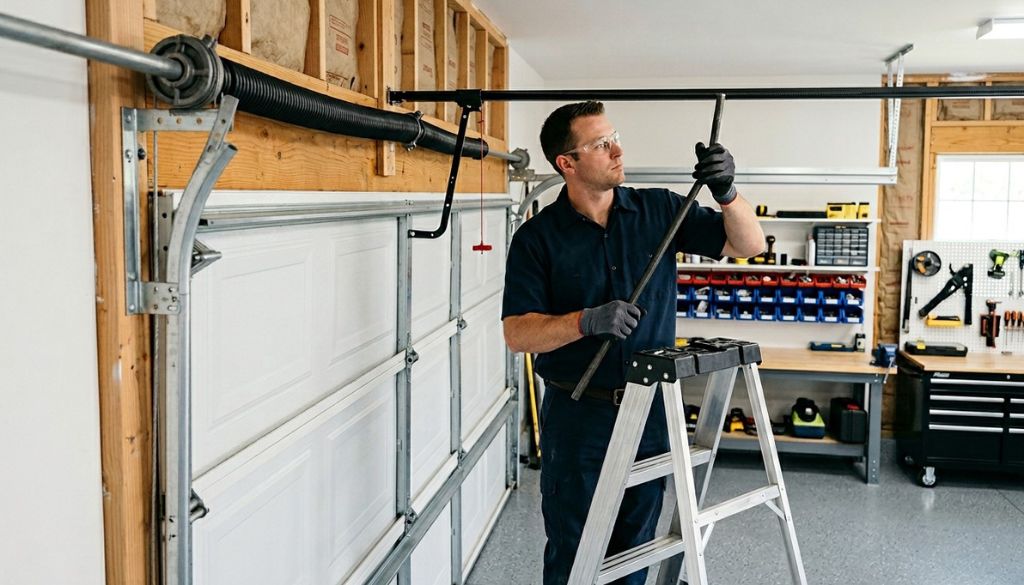
For industrial garage door repair, the replace-or-repair decision typically comes down to downtime, security conformity, and website traffic quantity. A distribution center can not afford a bay door that fails unexpectedly. In those settings, preventive solution strategies normally pay for themselves since avoiding one solution disturbance can validate the cost.
What a great solution go to must include
An expert repair visit should include more than changing the obvious damaged component. Good service technicians inspect equilibrium, springtime condition, wires, rollers, hinges, track placement, placing equipment, opener pressure setups, traveling limitations, and safety reversal feature. They ought to additionally validate that the image eyes are located correctly which the emergency release runs as intended.
Homeowners take advantage of clear explanations. If a professional explains a frayed cord, ask whether it is an immediate threat or something to check briefly. If a spring is damaged, ask whether the second springtime is the same age and whether replacing both is a good idea. In many two-spring systems, changing both at once is sensible due to the fact that the 2nd springtime has actually typically seen the exact same number of cycles and might fall short right after the first.
The best solution calls feel functional, not theatrical. You desire precise medical diagnosis, good components, proper change, and realistic guidance regarding what is urgent and what can wait.
Basic upkeep that extends the life of the system
A little upkeep avoids a great deal of problem, and most of it does not take long. You do not require to end up being a specialist. You simply require a brief regimen a couple of times a year.
- Listen during one full open and close cycle, and see any kind of new sounds or jerky movement.
- Wipe the photo eye lenses and see to it each sensor encounters the various other cleanly.
- Lubricate hinges, rollers, and springs with a garage-door-specific lubricant, not heavy grease.
- Look at the bottom seal and perimeter weatherstripping for splits, spaces, or hardening.
- Test door equilibrium with the opener detached, but just if the door is running generally and safely.
That last point should have care. If the door currently looks uneven, bangs, or has actually a thought springtime problem, do not trying out hands-on screening. Require solution. A balanced door must move smoothly and not drift substantially. If it does, that serves information for a technician.
One maintenance error I see often is over-lubrication. Way too much item brings in grit, which produces more wear. Another is using the wrong lubricant. Thick all-purpose oil can fumble relocating parts and accumulate dust. An item meant for garage doors is worth using.
Residential and business needs are not identical
Residential garage door repair is commonly concerning comfort, safety and security, insulation, and sound. Households appreciate entering and out dependably, maintaining the garage completely dry, and not waking an infant when the opener performs at 6 a.m. Commercial garage door repair often tends to concentrate on uptime, safety, speed, and longevity under heavy cycle counts.
The parts might look similar from a distance, however business systems generally require more stringent solution habits. Springs are larger, hardware is much heavier, and the effects of delay are sharper. If a homeowner can wait up until tomorrow, a service may not be able to wait until the following hour.
That distinction also impacts installation selections. A homeowner might select a door style based partly on visual allure and insulation. A commercial residential property supervisor may focus on effect resistance, cycle ranking, accessibility control, and repairability.
Choosing a specialist without obtaining burned
This is one industry where the most inexpensive promoted number can come to be one of the most costly final invoice. Home owners should search for clear interaction, composed quotes, and a determination to discuss parts and options without stress. Beware of obscure "specials" that do not specify what is included. A really low spring replacement quote may involve undersized springtimes, no balance check, or no guarantee worth having.
Experience issues, yet so does process. A reliable company should ask concerns about signs and symptoms, not just send off thoughtlessly. They should inspect the full system, review whether garage door setup or repair service is the better fit, and leave the door operating securely before they go.
If a professional recommends major work, ask to see the wear. Excellent companies usually welcome that. A broken springtime, torn cord, or used gear is not difficult to show. You do not require a lecture in mechanics. You require enough transparency to make an audio decision.
A sensible means to consider garage door problems
Most garage door issues fall into one of three groups: wear, imbalance, or electrical mistakes. Put on includes springtimes, rollers, wires, hinges, and seals aging out. Imbalance covers tracks, sensing unit positioning, and door equilibrium problems. Electric mistakes entail openers, remotes, wall controls, electrical wiring, and logic boards.
That structure aids property owners describe what they are seeing. If the door is noisy and unequal, think wear or placement. If the door is smooth by hand yet less competent to controls, think electrical. If it is hefty, believe springtimes first. If it turns around at the floor, believe sensors, travel limits, or an obstruction.
You do not require to detect every part exactly. You simply require to observe well. When did the trouble start? Does it take place every single time or in winter? Does the opener light flash? Is the problem worse on one side? Those details save time and typically minimize guesswork.
The most basic regulation that prevents the worst outcomes
If the problem involves springtime tension, cords, or a door that is no longer taking a trip evenly, stop utilizing it up until it is checked. That a person rule prevents a big share of severe injuries and pricey additional damage.
For every little thing else, stay regular with light maintenance, pay attention to little modifications, and do not presume the opener is constantly at fault. Garage door repair comes to be much easier when fix stuck garage door you see the door as a well balanced mechanical system as opposed to a solitary appliance with a motor attached.
A garage door must open up efficiently, close safely, and do its task without dramatization. When it quits doing that, the best feedback is hardly ever panic and seldom neglect. It is a measured assessment, a practical contact repair work versus replacement, and a focus on safety and security where security in fact matters. That technique offers property owners well whether they require a basic tune-up, a brand-new garage door opener, complete residential garage door repair, or a more complicated garage door installation.